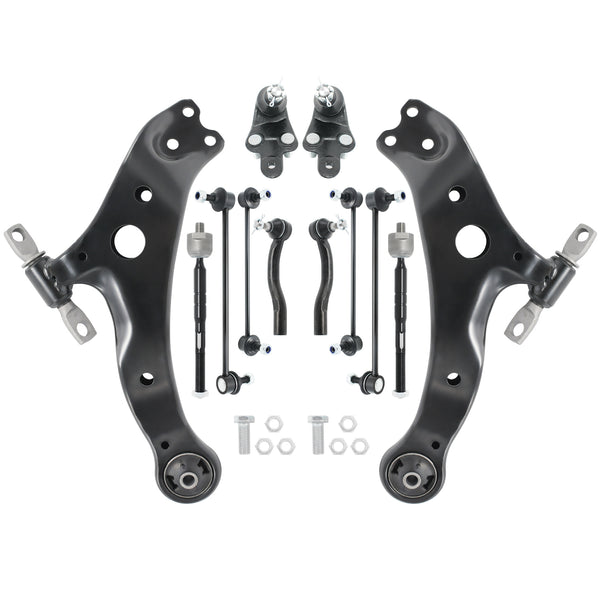
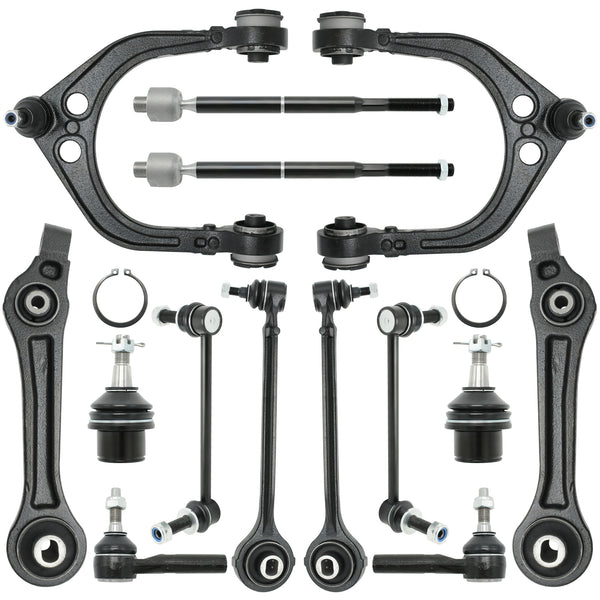
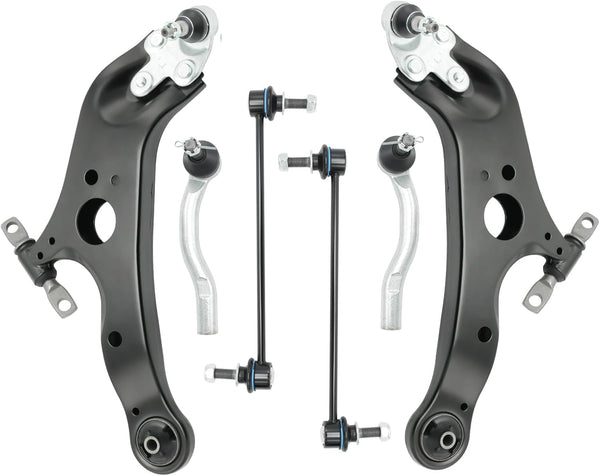
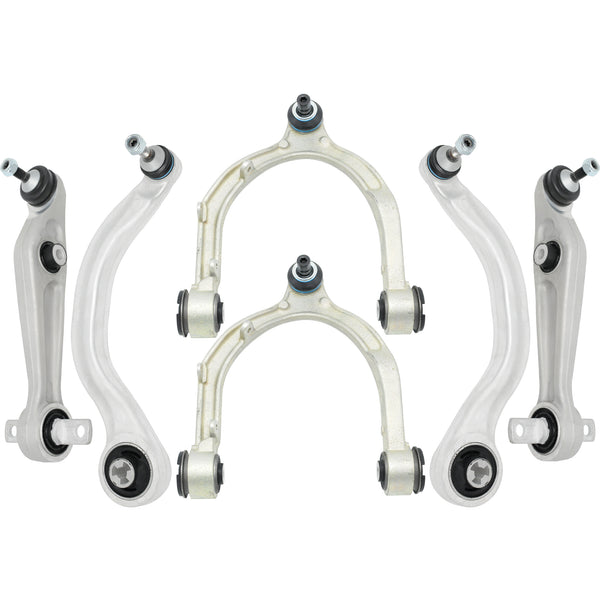
In modern chassis tuning, there is a fine line between a "connected" driving feel and a noisy cabin. For Automotive OEMs, the challenge is getting tougher. As vehicles become heavier and quieter (especially with the rise of EVs), the suspension bushing is no longer just a rubber spacer—it is a critical damping instrument that defines the vehicle's DNA.
At UGFC, we understand that a bushing’s performance isn't just about fitting into a control arm; it’s about managing energy. Here is how we bridge the gap between high-precision control and premium ride comfort.
1. Beyond Shore A: The Science of Elastomer Compounding
Most off-the-shelf components are rated simply by durometer (hardness). For an OEM production line, that is insufficient.
-
The Problem: Standard rubber compounds often suffer from "High-Frequency Hardening," where the bushing loses its damping ability at speeds above 100Hz, transmitting road roar directly into the subframe.
-
The UGFC Solution: We focus on the Dynamic-to-Static Stiffness Ratio. By optimizing the molecular cross-linking within our NR (Natural Rubber) and EPDM blends, we ensure our bushings remain compliant under micro-vibrations while providing stiff radial support during high-load cornering.
 2. Solving the "Cold Start" Creak
One of the most common warranty claims for OEMs involves "bushing noise" in extreme climates. Our HO-BU-80604 series undergoes rigorous Glass Transition Temperature (Tg) testing. We ensure the rubber stays elastic at -40°C to prevent cracking and maintains structural integrity at +120°C to resist permanent set (deformation). For a car manufacturer, this translates to fewer TSBs (Technical Service Bulletins) and higher long-term vehicle reliability.
3. The "Unbreakable" Bond: Metal-to-Rubber Adhesion
In a heavy-duty chassis environment, the bond between the rubber and the metal sleeve is the most frequent point of failure.
-
The Process: We utilize a multi-stage chemical bonding process involving automated phosphating and high-performance primers.
-
Validation: Every production batch at UGFC is subjected to Peel Testing and Multi-Axial Fatigue Testing. We simulate a 150,000-mile service life to ensure that the damping curve remains within a 10% tolerance from Day 1 to Year 10.

4. Why UGFC is the Partner for Tier-1 and OEM Integration
OEMs don't just buy parts; they buy into a supply chain. UGFC is structured to meet the precision and transparency required by modern automotive assembly:
-
Micron-Level Tolerance: Our outer sleeves are CNC-machined to ensure a 100% first-pass success rate on automated press-fit assembly lines.
-
Traceability: Every component is backed by a material certification and performance batch report.
-
Co-Engineering: We don't just "take orders." Our R&D team works alongside chassis engineers to tune bushing voids and geometries based on specific vehicle weight distribution and target frequency responses.
There are no shortcuts in chassis engineering. Every millimeter of rubber and every degree of bonding temperature matters. If you are looking for a partner who speaks the language of NVH, K-rates, and Durability Cycles, UGFC is ready to collaborate.
UGFC: Engineered for Control. Designed for Comfort.