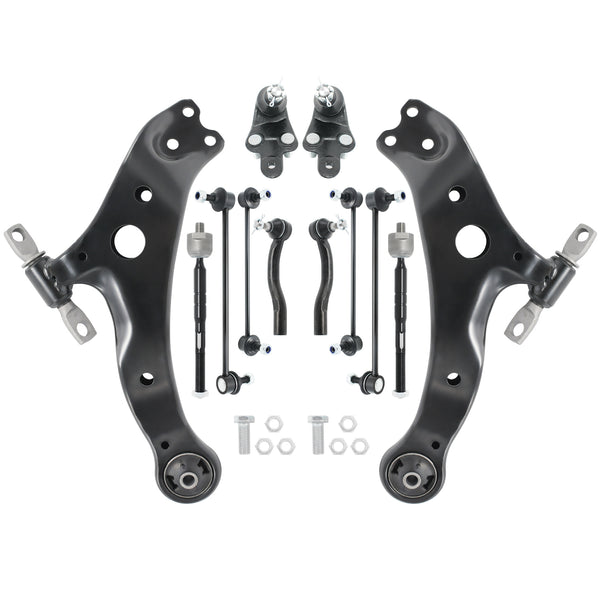
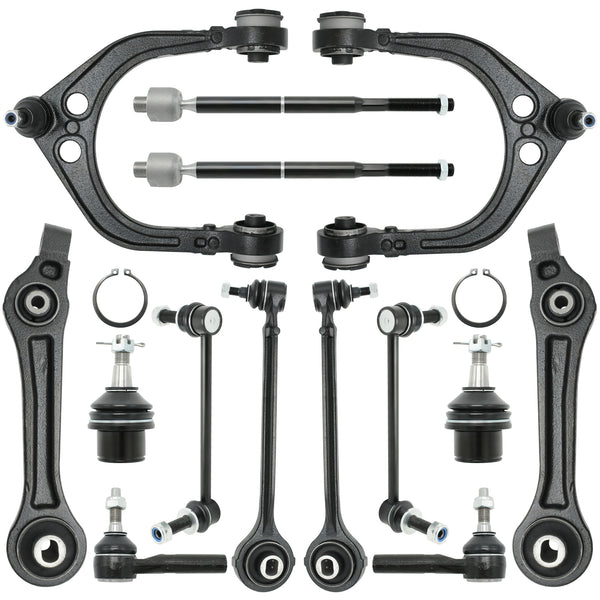
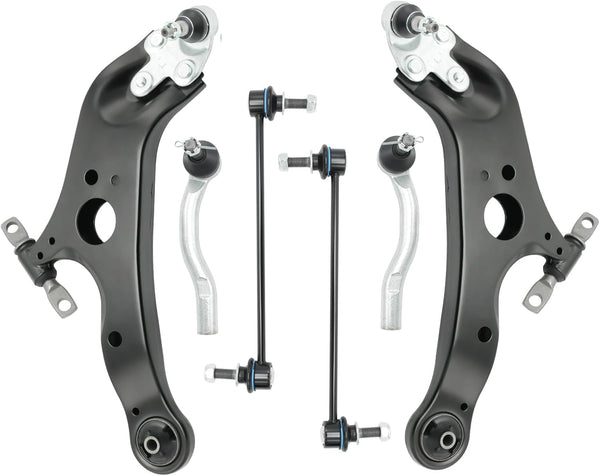
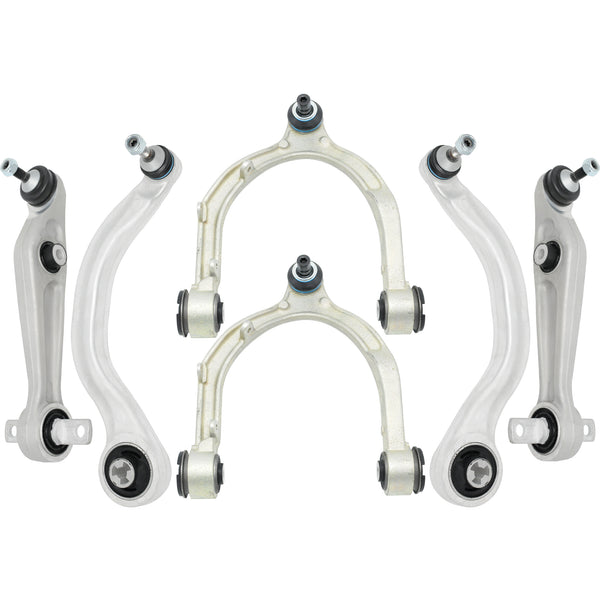
A worn or damaged suspension system not only makes a vehicle harder to control, but also creates serious driving safety risks. The suspension system plays a critical role in steering control and overall vehicle handling. It keeps the tires firmly in contact with the road, ensuring precise steering, stable driving, and effective braking. In addition, the suspension system absorbs shocks from bumps and potholes, providing a smooth and comfortable driving experience.
Key Suspension Components and Their Functions
- Control Arm(A-Arm):The control arm connects the suspension system to the vehicle frame, helping maintain wheel alignment and ensuring vehicle stability.
- Steering Tie Rod:The steering tie rod transmits steering input from the steering wheel to the wheels, controlling wheel angle and directly affecting steering precision and responsiveness.
- Sway Bar Link(Stabilizer Link):The sway bar link helps reduce body roll during cornering,improving handling and vehicle stability
-
Lower Control Arm Bushing:The bushing connects the lower control arm to the subframe.Made of rubber or polyurethane,it absorbs road vibrations,enhances chassis comfort and reduces noise.

Dangers of Damaged Suspension Components
-
If the sway bar (stabilizer bar))fails to function properly,the vehicle will experience excessive body roll.During cornering,reduced tire grip may lead to loss of control and an increased risk of running off the curve.
- When the lower control arm is damaged,the suspension geometry becomes misaligned,causing uneven load distribution during braking.This increases the risk of rollover or rear-end collisions.
Common Warning Signs
Pay attention to the following key signs,which may indicate that your suspension requires maintenance:
- Bumpy or Uncomfortable Ride: If you feel every bump and crack on seemingly smooth roads, it is a major sign of worn shock absorbers or struts.
- Excessive Bouncing or Swaying: After driving over rough surfaces, the vehicle should quickly stabilize. Continuous bouncing or severe swaying during turns indicates shock absorber failure.
- Front Dives or Rear Squats During Braking/Acceleration: If the front of the vehicle noticeably dips while braking or the rear sags during acceleration, it may indicate worn shock absorbers or struts.
- Uneven Tire Wear: Abnormal wear patterns, such as cupping or excessive wear on one side, may suggest suspension component damage affecting weight distribution and wheel alignment.
- Difficulty Steering: Loose steering, delayed response during turns, or needing constant correction to maintain a straight line can indicate worn ball joints, tie rods, or other steering/suspension components.
- Unusual Noises: Clicking, knocking, or squeaking sounds when driving over bumps or turning usually indicate loose or damaged control arms, ball joints, or bushings.
- Visible Damage or Oil Leaks: Check shock absorbers and struts for oil stains, which indicate leakage. Also inspect other suspension components for cracks, rust, or physical damage.
-
Uneven Vehicle Height: If one corner of the vehicle is lower than the others when parked on a flat surface, it may indicate broken or sagging springs.
Maintenance and Prevention
- Regular inspections: It is recommended to have your suspension system inspected by a professional at least once a year or every 12,000 miles. Early detection of issues helps prevent major damage and ensures vehicle safety.

- Timely Replacement: lgnoring minor suspension problems can lead to more severe and costly damage to other components, such as tires or the steering system, while also compromising driving safety.
- Driving Habits: Aviod driving on rough or uneven roads, potholes, and excessive loads. Careful driving helps extend the lifespan of your suspension system and maintains overall vehicle performance.